Address
304 North Cardinal
St. Dorchester Center, MA 02124
Work Hours
Monday to Friday: 7AM - 7PM
Weekend: 10AM - 5PM
Address
304 North Cardinal
St. Dorchester Center, MA 02124
Work Hours
Monday to Friday: 7AM - 7PM
Weekend: 10AM - 5PM
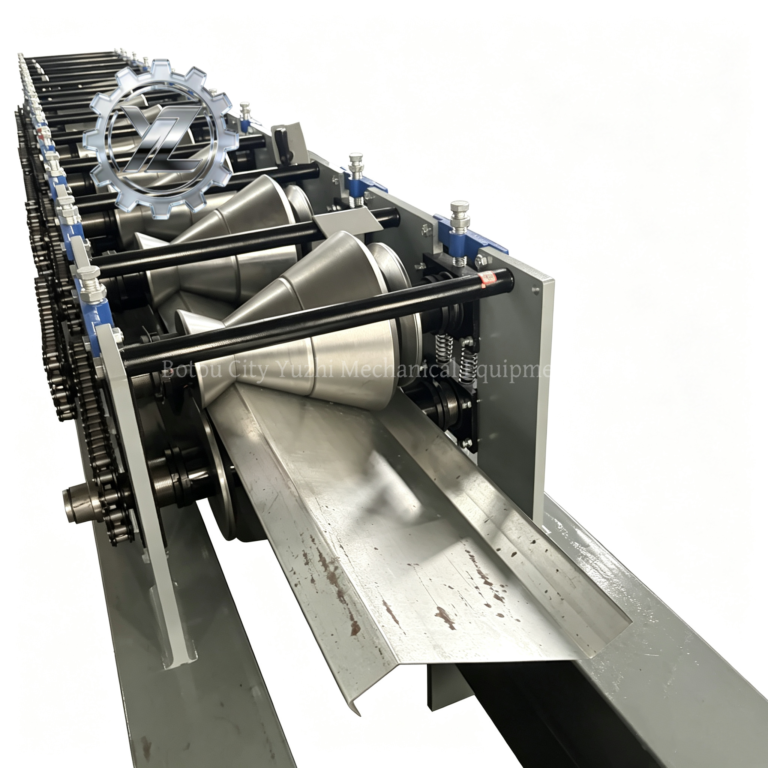
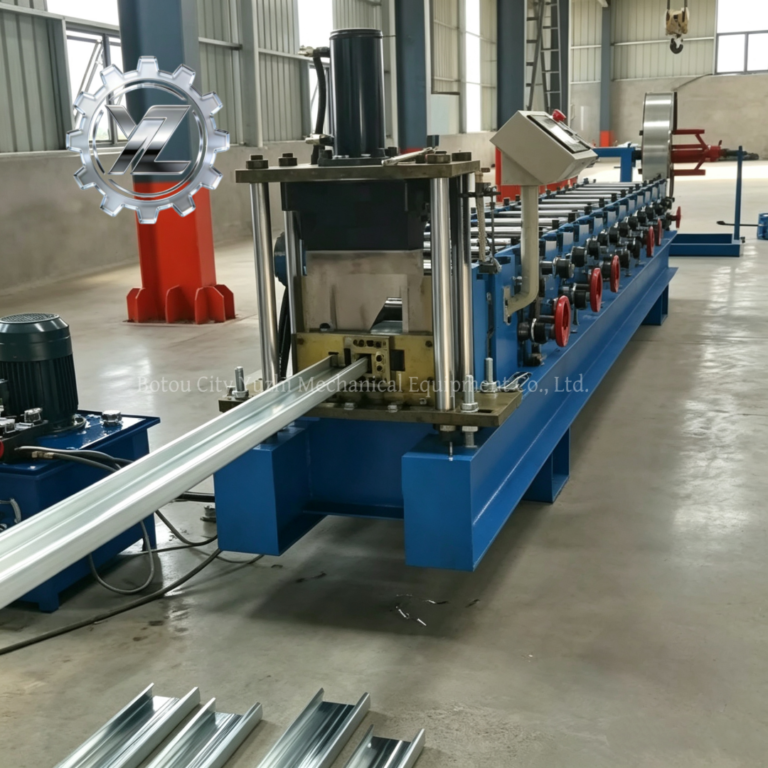
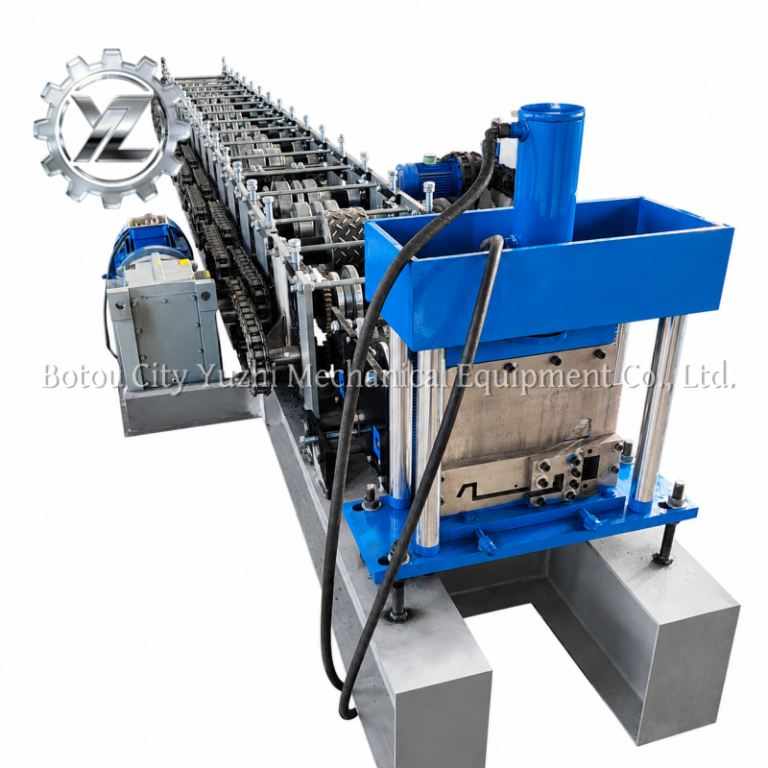
Rollers are the core wearing parts of a cold roll forming line, directly determining the forming precision, surface quality and service life of the entire roll forming machine. Many overseas buyers ignore roller material selection, resulting in profile scratches, dimensional deviation and frequent equipment replacement losses. Choosing suitable roller materials according to processing materials is the key to stable and high-efficiency operation of metal roll forming equipment.
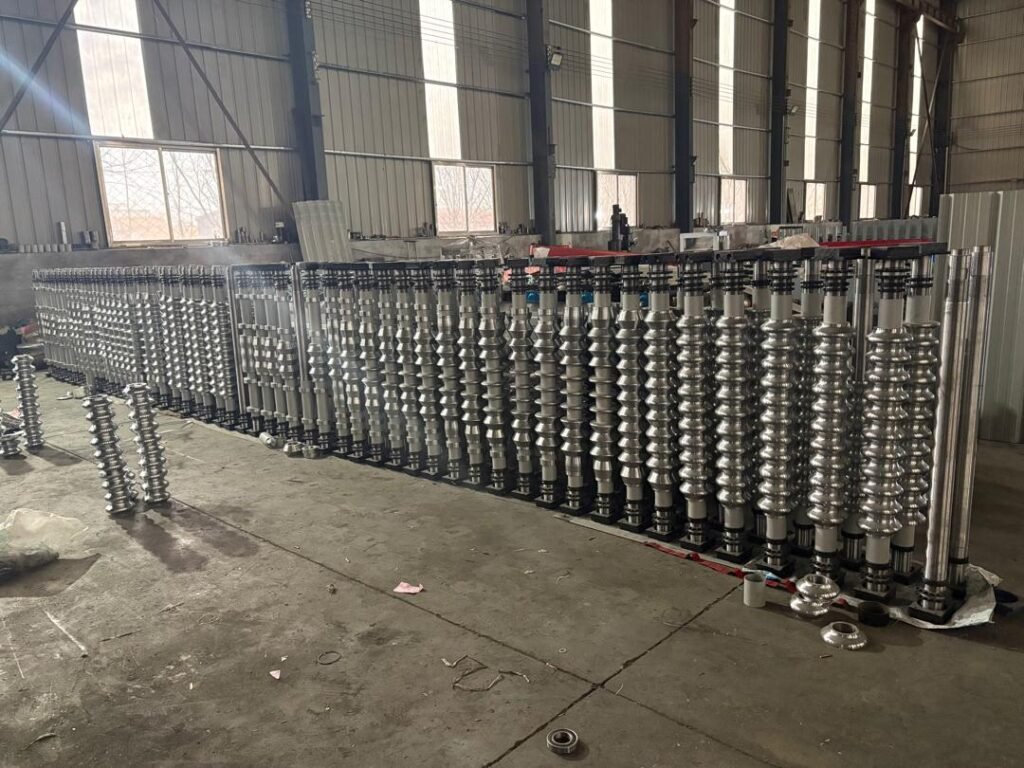
At present, professional roll forming machine manufacturers mainly adopt three mainstream roller materials. 45# steel is the most cost-effective option, widely used in ordinary roof panel roll forming machine and common purlin forming equipment. After overall quenching and tempering treatment, it features good hardness and low cost, ideal for processing conventional galvanized steel and carbon steel profiles for general construction projects.
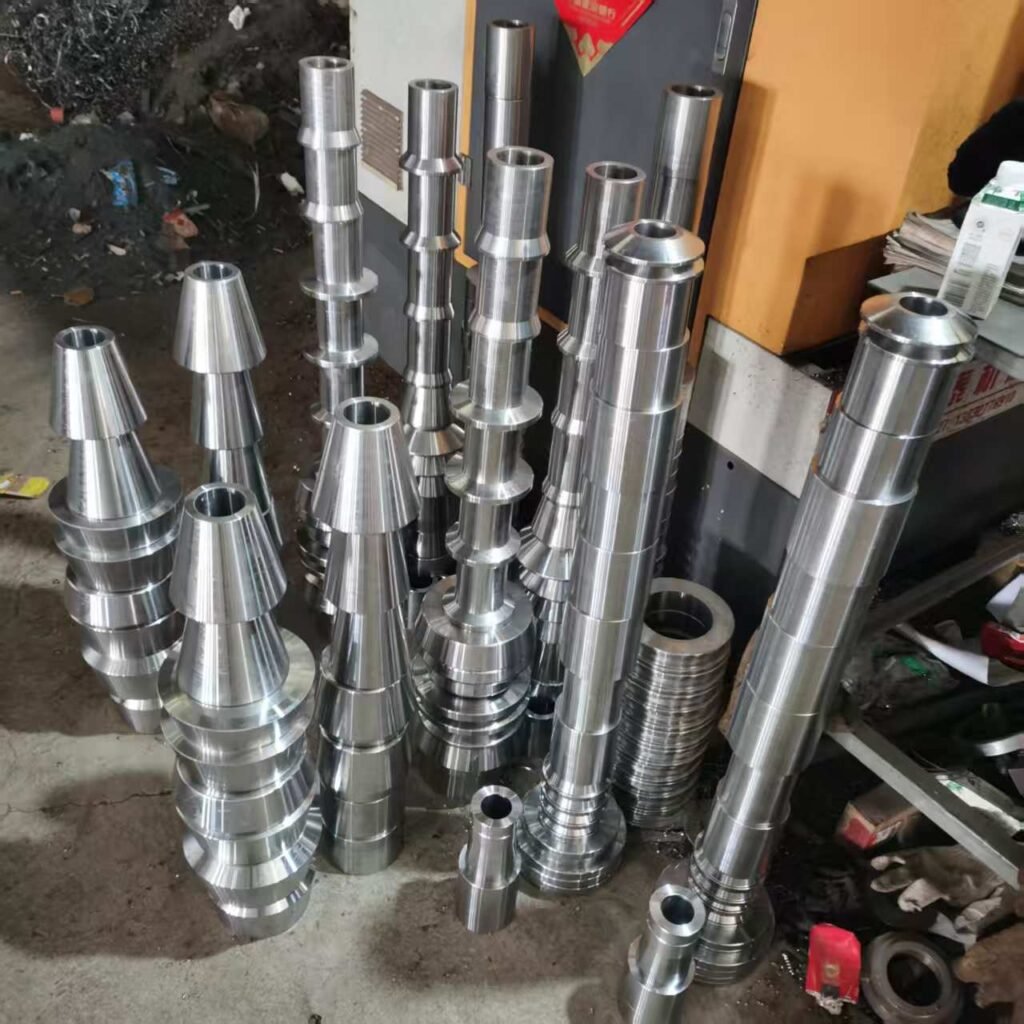
GCr15 bearing steel is a high-end customized material for precision forming. With ultra-high hardness, wear resistance and compression resistance, it is specially used for processing high-strength steel, thick metal coils and aluminum alloy profiles. It effectively avoids roller deformation and profile scratching, and is widely applied in high-precision C Z purlin roll forming machine and customized special profile forming lines.
In addition, nylon and polyurethane coated rollers are auxiliary choices for thin and soft metal materials. The non-slip and anti-scratch coating can perfectly protect the surface of color steel plates and decorative metal profiles, meeting the high-surface-quality processing requirements of high-end building materials.
The first consideration is raw material type and thickness. Thin color steel coils match 45# steel rollers, while thick high-strength steel must adopt GCr15 bearing steel rollers.
Second, production capacity requirements matter. High-volume continuous production needs wear-resistant alloy rollers to reduce replacement frequency. Meanwhile, surface finish standards of finished profiles also determine whether anti-scratch coating treatment is required for rollers.
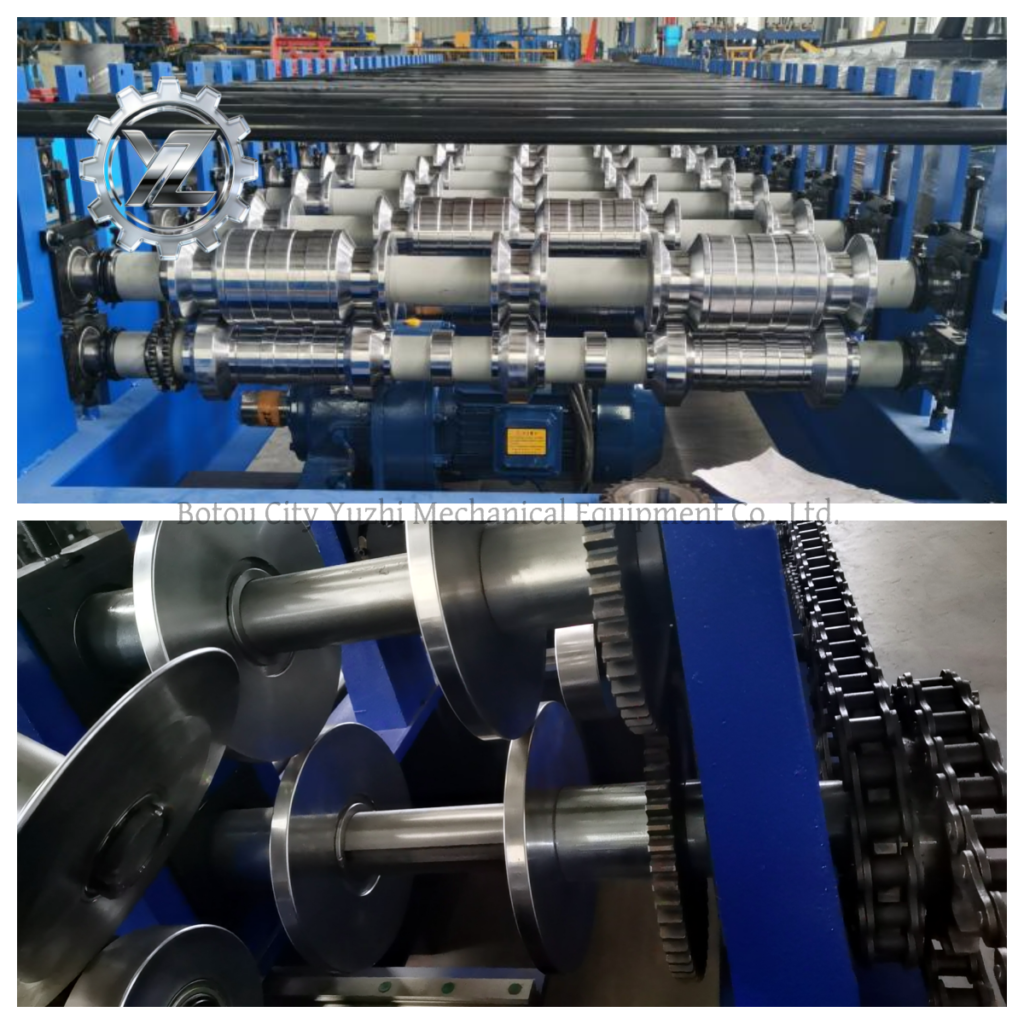
Reasonable roller material selection greatly improves the stability and service life of the cold roll forming machine. Matching professional roller materials according to production needs is the most cost-effective way for metal profile processing factories to reduce maintenance costs and improve product competitiveness.
CTA: We provide customized high-precision rollers and full-set automatic cold roll forming lines. Contact us to get professional material matching solutions for your production.