Address
304 North Cardinal
St. Dorchester Center, MA 02124
Work Hours
Monday to Friday: 7AM - 7PM
Weekend: 10AM - 5PM
Address
304 North Cardinal
St. Dorchester Center, MA 02124
Work Hours
Monday to Friday: 7AM - 7PM
Weekend: 10AM - 5PM
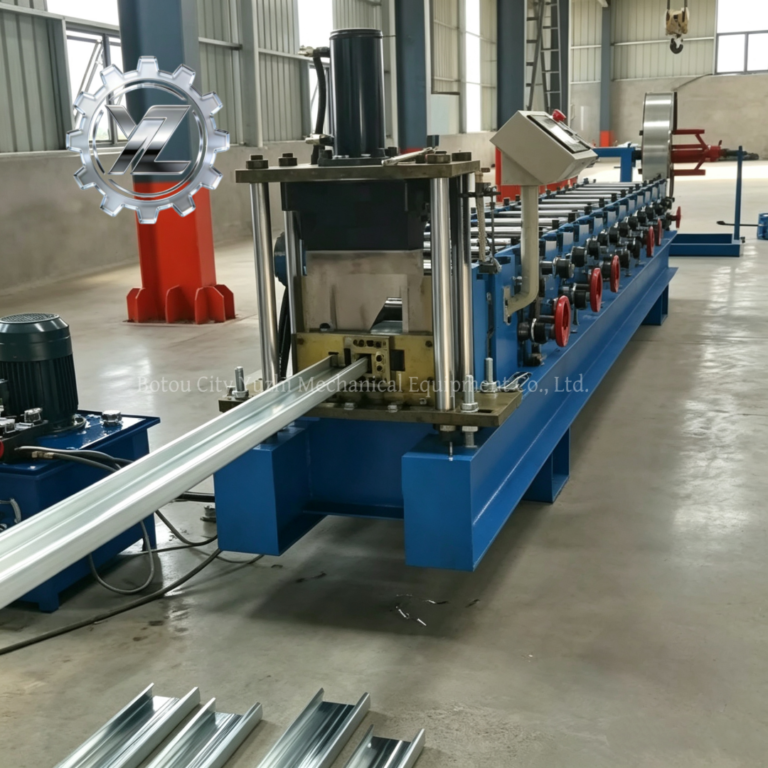
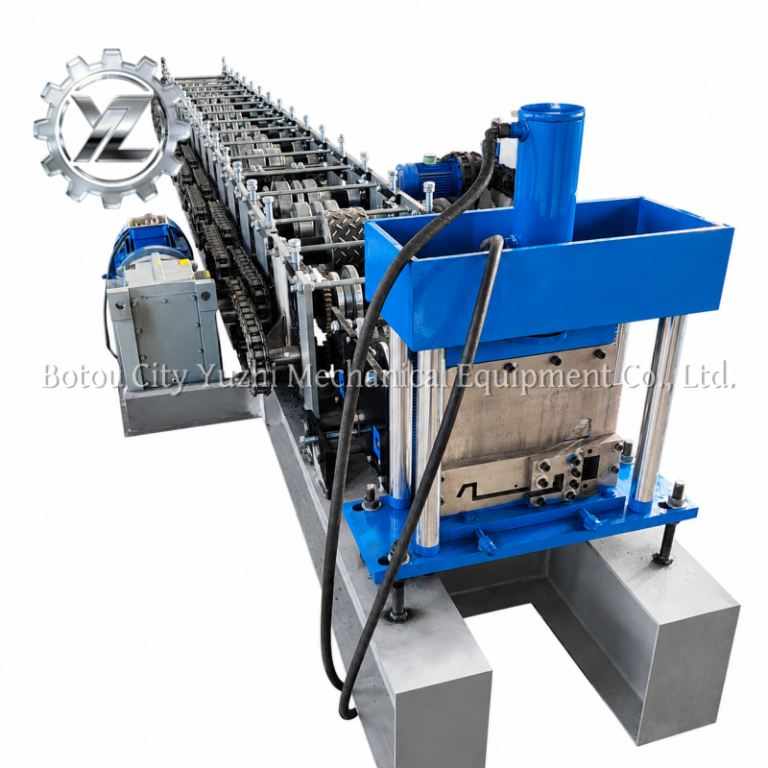
A high-performance roll forming machine is the backbone of stable metal profile production for roofing sheets, CZ purlins, and light steel frames. However, long-term continuous operation of the cold roll forming line often leads to minor mechanical and electrical faults, affecting product precision and production efficiency. Timely troubleshooting and daily maintenance can greatly extend the service life of automatic roll forming equipment and reduce factory operating costs.
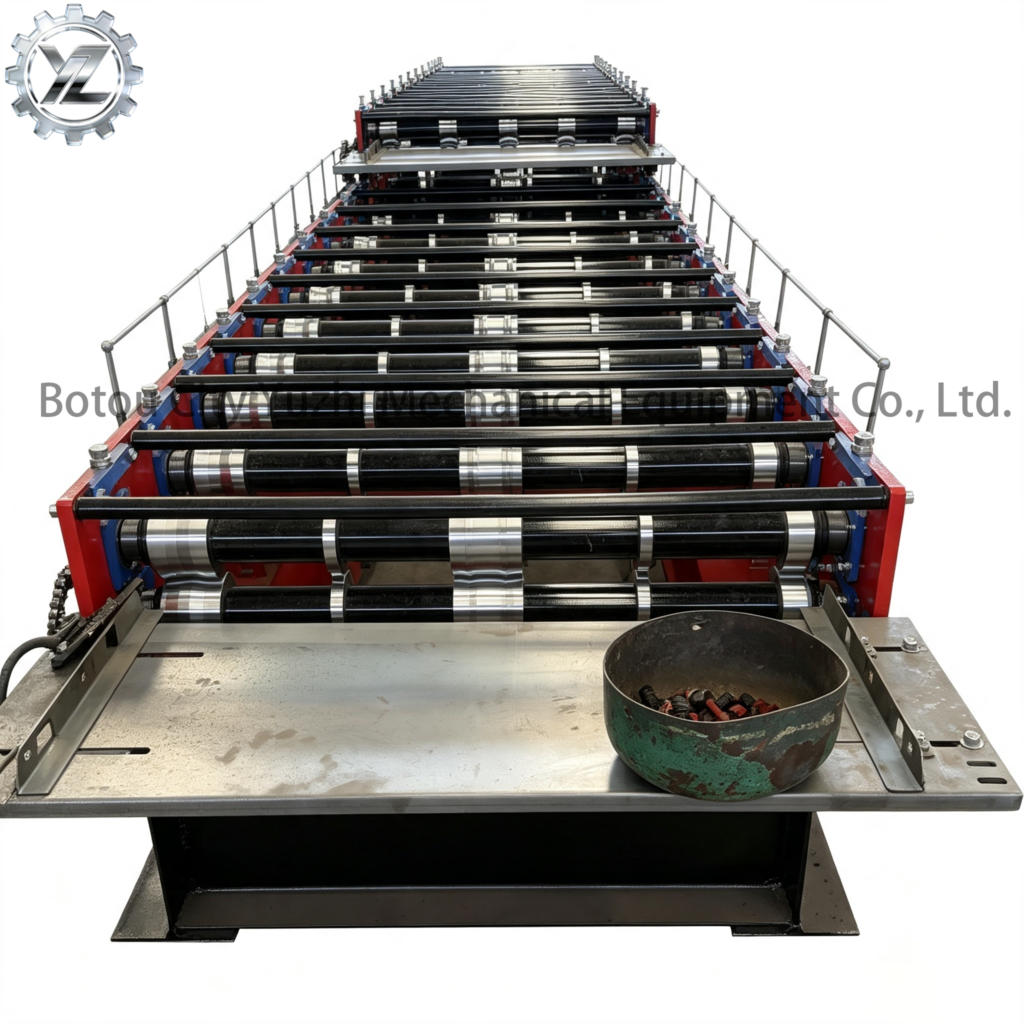
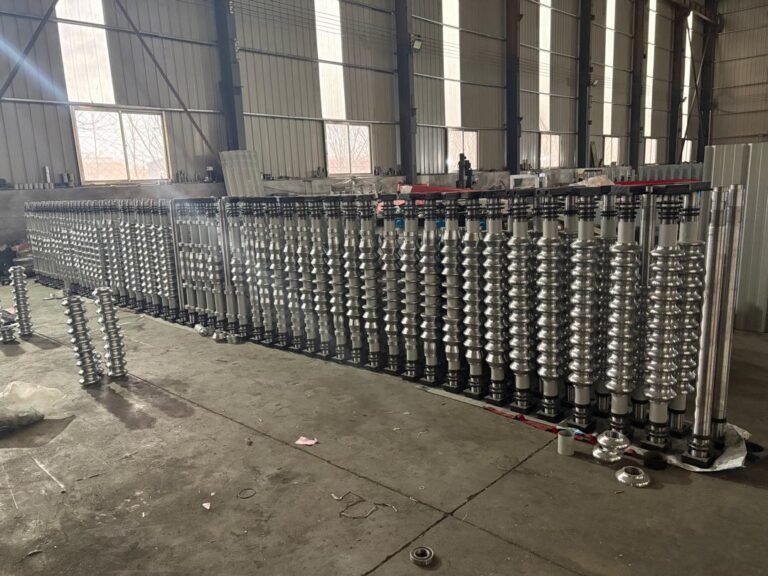
Profile deformation and size deviation are the most frequent problems for cold roll forming machine. Uneven roller gaps, worn forming rollers or loose calibration bolts usually cause curved, twisted or scratched metal profiles, which fail construction and industrial quality standards. This issue commonly occurs in frequently adjusted C Z purlin roll forming machine and roof panel forming lines.
The second common fault is unstable feeding and hydraulic cutting errors. Dirty guide rollers, insufficient system oil pressure or aging hydraulic seals will lead to irregular feeding speed and inaccurate cutting length. Many overseas users encounter unqualified finished products due to lack of daily inspection on hydraulic and feeding systems.
In addition, PLC control failure and abnormal machine noise are typical hidden troubles. Dust accumulation on electrical components and insufficient roller lubrication easily cause system delay, equipment jitter and loud operating noise, affecting continuous automated production.
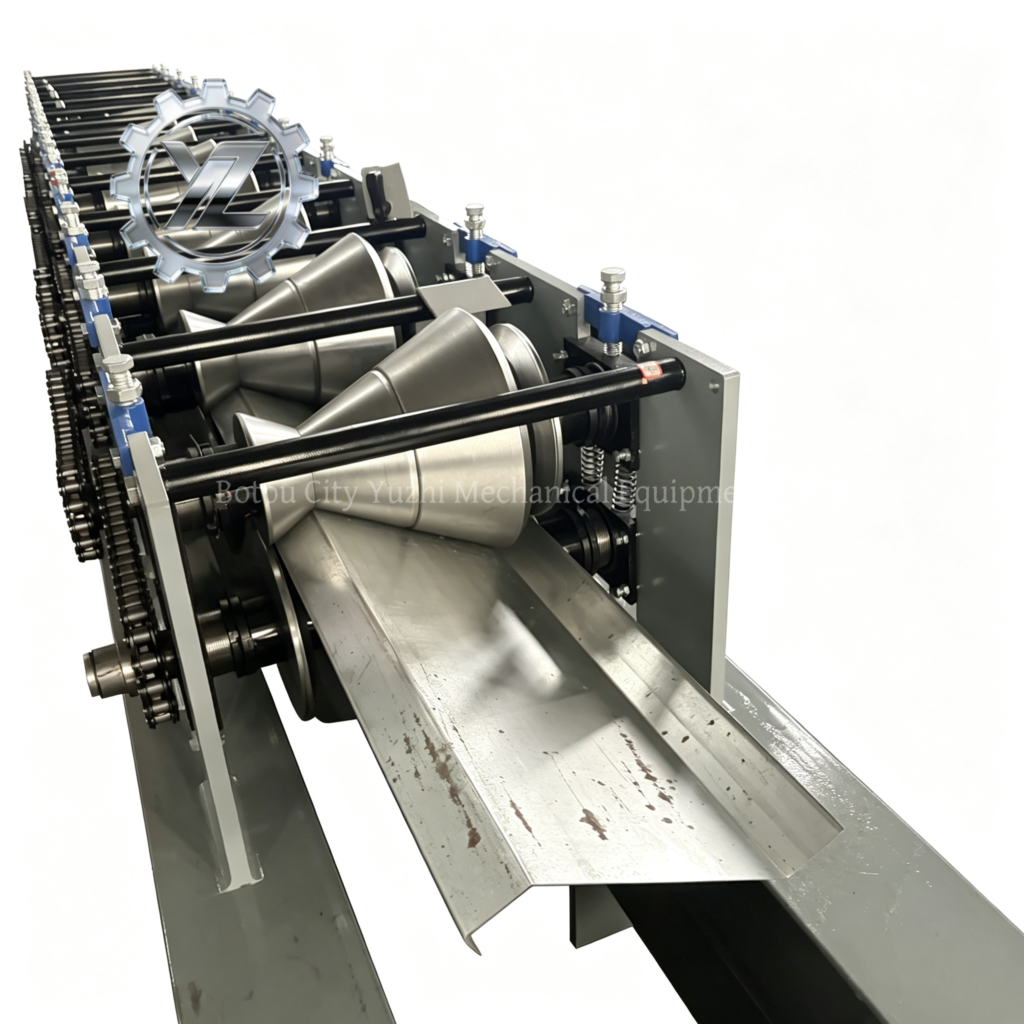
Daily routine maintenance is the most effective way to avoid equipment failure. Operators should clean roller surfaces and guide parts every day to remove steel scraps and dust, preventing surface scratches on galvanized and aluminum profiles produced by the metal roll forming equipment.
Regular lubrication and oil replacement are essential. All bearing and transmission parts need periodic oil filling to reduce friction and roller wear. The hydraulic system oil should be replaced every 3 to 6 months to ensure stable pressure for punching and cutting procedures.
It is also necessary to regularly calibrate roller gaps and check electrical circuits and PLC systems. Timely replace worn rollers and aging accessories to keep the forming precision within ±0.2mm. Standardized maintenance can help factories maintain high-efficiency production and reduce downtime losses.
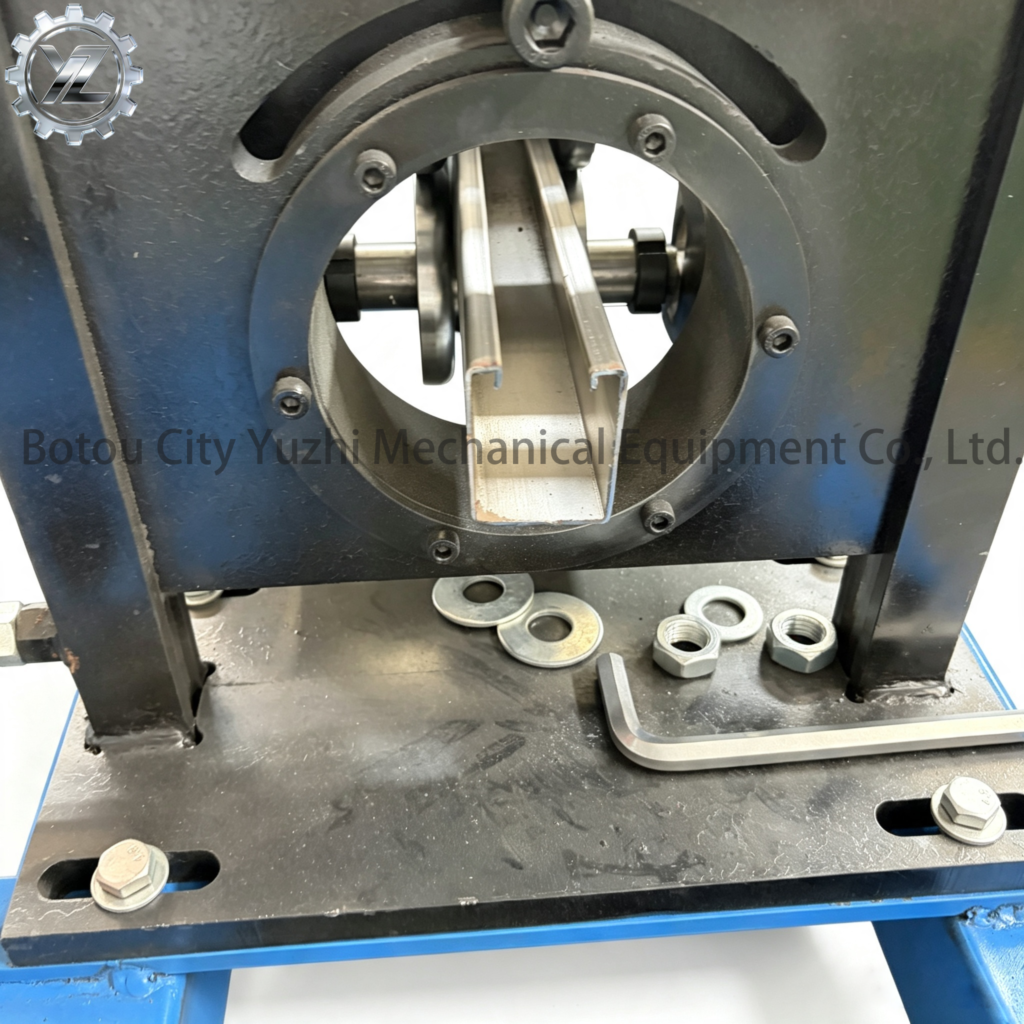
Simple daily inspection and scientific maintenance can effectively avoid most common faults of the cold roll forming line. Stable equipment operation not only guarantees product quality but also improves the overall production capacity of metal profile processing factories.
CTA: If you need professional after-sales support or customized roll forming machine maintenance solutions, contact our team for reliable technical guidance and spare parts supply.
Adapted for O&M needs of infrastructure factories in Southeast Asia, Middle East & South America.
Previous Post:How Does A Cold Roll Forming Machine Work?
Previous Post:Corrugated Sheet Roll Forming Machine – Complete Buying Guide & Technical Introduction